
A bright, confident smile can enhance both your appearance and self-esteem. Professional teeth whitening in Orillia at Georgian Dental provides safe, effective, and personalized treatments to remove stains and restore your teeth’s natural brilliance. Whether your discoloration is caused by coffee, tea, tobacco, or aging, our whitening solutions deliver radiant results with minimal sensitivity and long-lasting shine.
What Is a Root Canal?
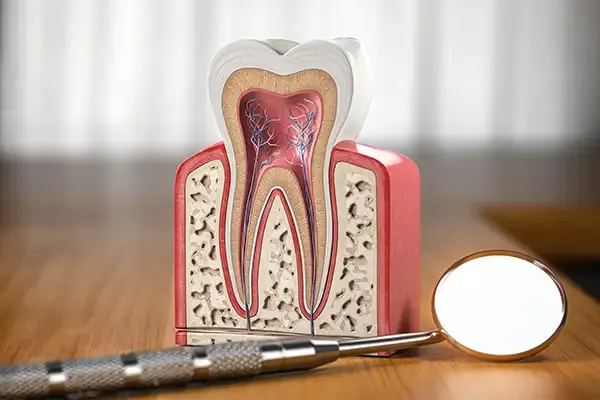
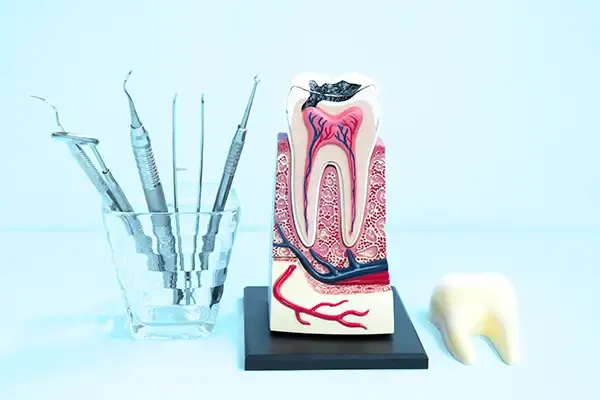
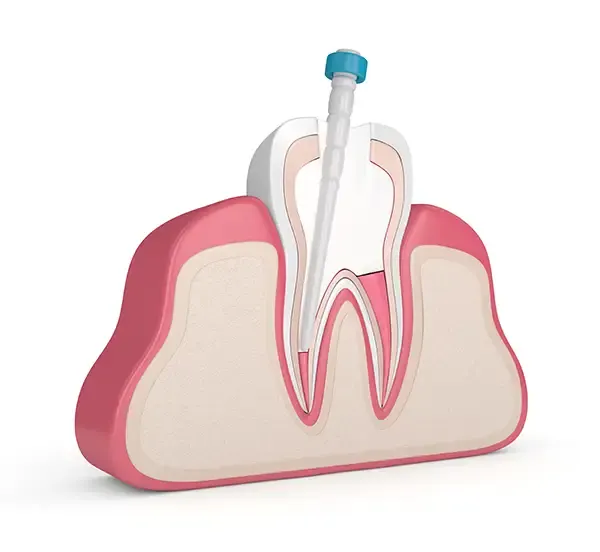
Root canal therapy (endodontic treatment) removes infected or inflamed tissue from inside a tooth, relieving pain and preventing further infection. The process involves cleaning the canals, sealing them with a biocompatible material, and restoring the tooth with a crown for long-term protection. This treatment preserves your natural tooth structure and restores full function.
At Georgian Dental, we use advanced digital imaging and rotary instruments to ensure every root canal is completed with precision and comfort.
When Is a Root Canal Needed?
You may need a root canal if you experience the following:
- Severe Toothache – Persistent or throbbing pain, especially when chewing or applying pressure.
- Prolonged Sensitivity – Lingering discomfort when exposed to hot or cold foods.
- Swelling or Tender Gums – Inflammation near the affected tooth.
- Darkened Tooth – May indicate nerve damage or pulp death.
- Pimple on the Gums – Suggests an abscess or active infection draining from the tooth.
If these symptoms appear, contact Georgian Dental promptly to prevent the infection from spreading and protect your tooth’s structure.
The Root Canal Procedure
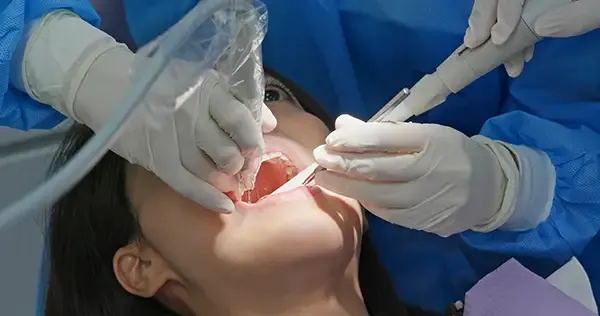
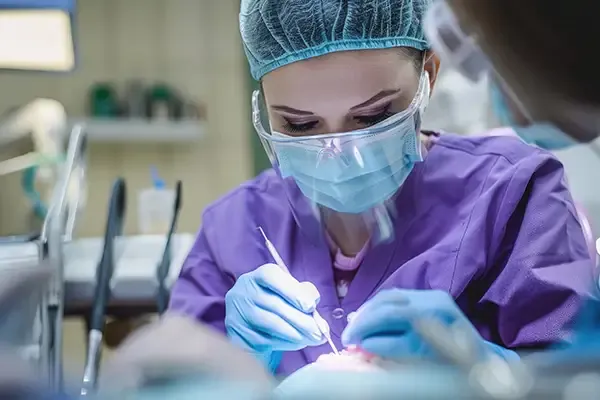
At Georgian Dental, we perform root canals with precision and care using modern technology. Most treatments are completed in one or two visits:
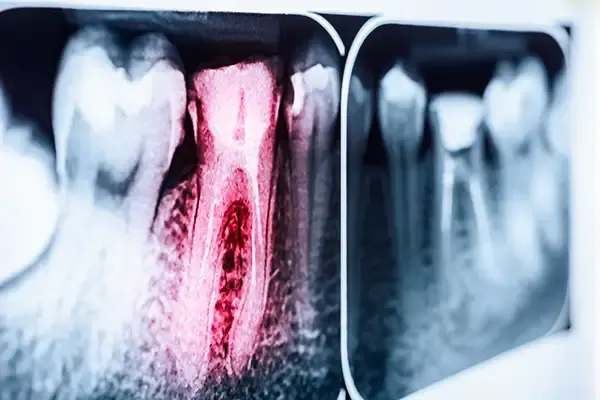
- A thorough exam and digital imaging are used to locate the infection.
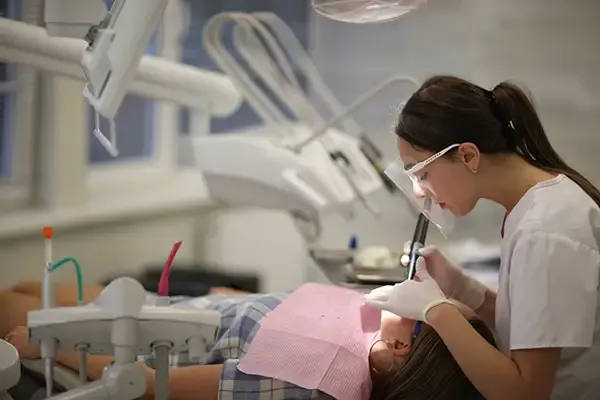
- Local anesthesia ensures complete comfort during treatment.
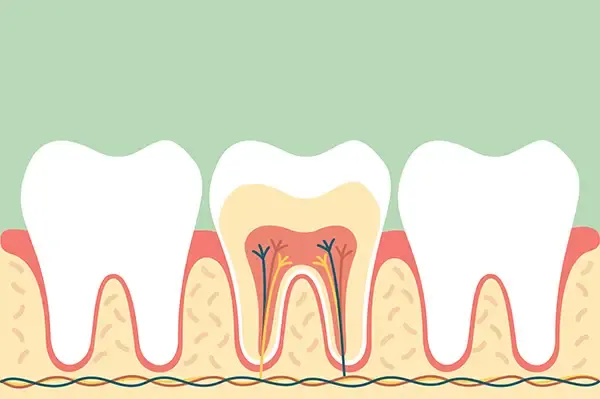
- Infected pulp is removed, and the canals are cleaned and shaped.
- The canals are filled and sealed with gutta-percha, a durable material.
- A temporary or permanent restoration is placed to protect the tooth.
Afterward, most teeth are restored with a custom dental crown for long-term strength and natural appearance.

What to Expect During Recovery
After a root canal, mild tenderness or pressure is common for a few days. Avoid hard or sticky foods until your permanent crown is placed, and continue gentle brushing and flossing. If swelling or pain worsens, contact our office right away to ensure proper healing and comfort.
Managing Anxiety and Dental Fear
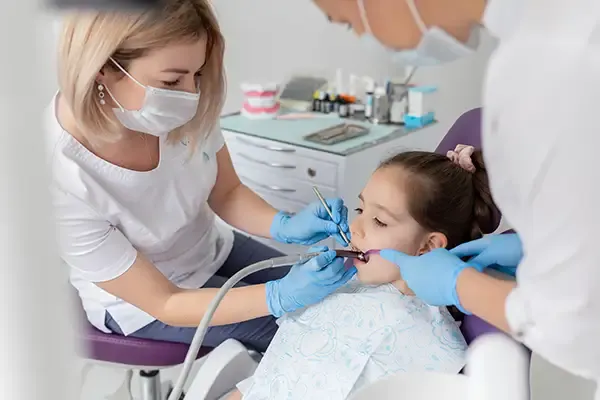
Feeling nervous about a root canal is completely normal. At Georgian Dental, we use a calm, step-by-step approach to help ease your anxiety. You can request breaks at any time during your procedure. For patients with higher dental fear, sedation options are available to keep you relaxed and comfortable throughout your visit.
Safety and Sterilization Standards
Your health and safety are our top priorities. Every instrument is sterilized with hospital-grade systems, and treatment areas are fully disinfected between patients. We follow strict infection control protocols as outlined by the Royal College of Dental Surgeons of Ontario (RCDSO) to maintain the highest standards of cleanliness and safety.
How to Care for Your Treated Tooth
- Brush twice daily with a soft-bristled toothbrush.
- Floss carefully around the treated tooth to keep gums healthy.
- Visit every six months for exams and cleanings.
- Avoid chewing hard foods like ice, pens, or nuts.
These simple steps help maintain your restored tooth and prevent future complications.
If Something Doesn’t Feel Right
If discomfort, swelling, or bite imbalance continues beyond a few days, call Georgian Dental promptly. Early adjustments or evaluation can prevent complications and ensure a smooth recovery.
Before and After Your Root Canal
- Before Treatment – Eat a light meal, take prescribed medication if directed, and brush normally.
- After Treatment – Avoid chewing on the treated side for 24 hours, take pain medication as needed, and eat soft foods like soup or yogurt.
Contact our office if swelling or pain persists for more than 48 hours.
Contingency & Escalation Plan
If swelling, throbbing pain, or fever develops after treatment, contact Georgian Dental immediately. After-hours messages are monitored, and emergency guidance will be provided to ensure prompt relief and prevent infection from returning.
Risk-Reversal Commitment
Your satisfaction and comfort are our top priorities. If you experience concerns during your healing period, Georgian Dental will re-evaluate your treated tooth at no additional charge. Our goal is to ensure your outcome meets the highest standard of care.

Exit & Portability Statement
If you relocate or change dental providers, your complete records and imaging can be securely transferred to your new office upon request. Georgian Dental follows PIPEDA privacy regulations to protect your personal information.
Why Choose Georgian Dental for Root Canal Treatment in Orillia?
- Advanced Technology – Digital imaging and rotary tools for precise results.
- Comfort-Focused Care – Gentle anesthesia and supportive techniques for a pain-free visit.
- Experienced Dental Team – Skilled professionals specializing in root canal and restorative care.
- Comprehensive Restorations – Crowns, fillings, and follow-up care all in one location.
- Trusted Local Expertise – Proudly serving Orillia with compassionate and precise dental care.
Our mission is to relieve pain, restore function, and help you maintain your natural teeth with confidence and comfort.
Procedure & Comfort – FAQ
No. With modern dental technology and effective local anesthesia, root canals are virtually painless. Most patients report that the procedure feels similar to getting a standard filling, with only minor soreness afterward that can be easily managed with over-the-counter pain relief.
Root canal treatment usually takes one to two appointments, each lasting about 60–90 minutes depending on the complexity of the case. Front teeth often require less time than molars, and additional visits may be needed if the infection is severe or the anatomy is complex.
Yes. Because only local anesthesia is used, you’ll be fully alert and able to drive yourself home safely after the procedure. However, if you’ve been prescribed sedation, you’ll need someone to accompany you and drive you afterward.
Yes. Most patients resume normal activities or work the same day. Some mild tenderness or sensitivity is common, but it typically subsides quickly and should not interfere with your daily routine.
Yes. Root canal treatment can be safely performed during pregnancy when necessary, especially in the second trimester. Your dentist and physician will coordinate to ensure that anesthesia and materials used are safe for both mother and baby.
Inform your dentist about any known allergies before your procedure. Alternative anesthetic options and allergy-safe medications are available to ensure your comfort and safety throughout the treatment.
Aftercare & Recovery – FAQ
Stick to soft, easy-to-chew foods like yogurt, soup, scrambled eggs, or mashed potatoes for the first 24 hours. Avoid hard, sticky, or crunchy foods until your permanent crown is placed to protect the treated tooth from damage or discomfort.
Mild discomfort or sensitivity for a few days is normal as the surrounding tissue heals. However, if pain worsens or persists beyond several days, contact your dentist promptly to rule out lingering infection or other complications.
If your temporary crown comes off, contact your dentist as soon as possible to have it re-cemented or replaced. Leaving the tooth exposed can lead to sensitivity, reinfection, or damage to the underlying structure before your permanent crown is fitted.
You’ll typically return within one to two weeks for placement of your permanent crown or restoration check. This follow-up visit ensures the tooth has healed properly and that your final restoration fits comfortably and securely.
Restoration & Longevity – FAQ
Yes. A crown is typically recommended after root canal therapy to strengthen and protect the treated tooth from fractures. The crown also restores full chewing function and provides a natural-looking finish that blends seamlessly with your smile.
A root canal removes the inner pulp, which can make the tooth slightly more brittle over time. To restore strength and prevent fractures, a durable crown is placed over the treated tooth, ensuring long-term function and stability.
When properly restored and maintained with good oral hygiene, a root canal-treated tooth can last a lifetime. Regular dental checkups and cleanings help ensure that the surrounding bone and tissues remain healthy and the crown stays intact.
Health & Safety – FAQ
If left untreated, the infection inside the tooth can spread to surrounding tissues, leading to severe pain, abscesses, and possible tooth loss. Prompt root canal therapy eliminates the infection, relieves discomfort, and helps preserve your natural tooth structure.
If you would like to learn more about Root Canals, please contact our practice to schedule an appointment.