
When a tooth becomes damaged, decayed, or weakened, a dental crown can restore its strength, function, and natural appearance. At Georgian Dental, we provide high-quality dental crowns in Orillia that are custom-crafted to blend seamlessly with your existing teeth, ensuring a durable and beautiful result. Whether you need a crown after a root canal, to repair a fractured tooth, or to enhance your smile’s aesthetics, our team is here to help you achieve lasting oral health and confidence.
What Are Dental Crowns?
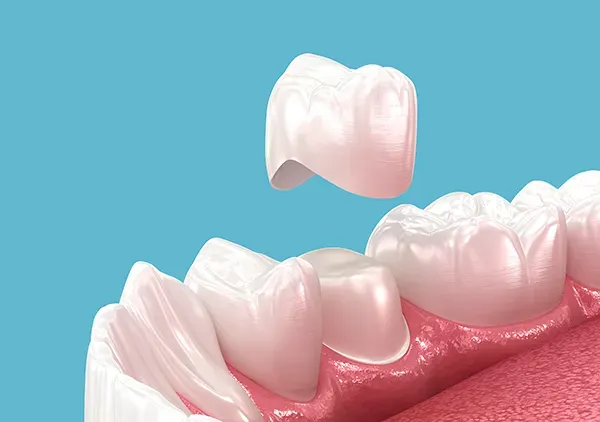
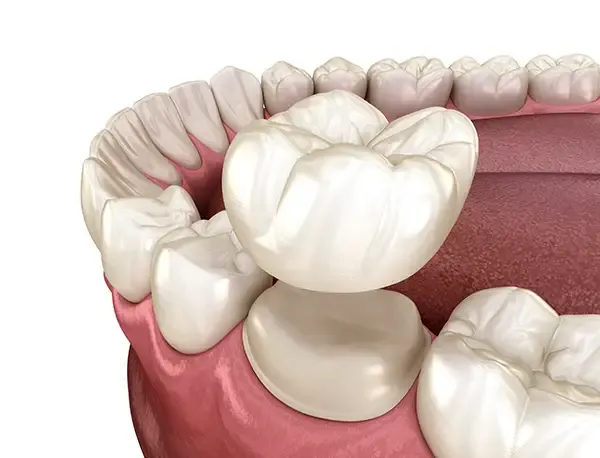
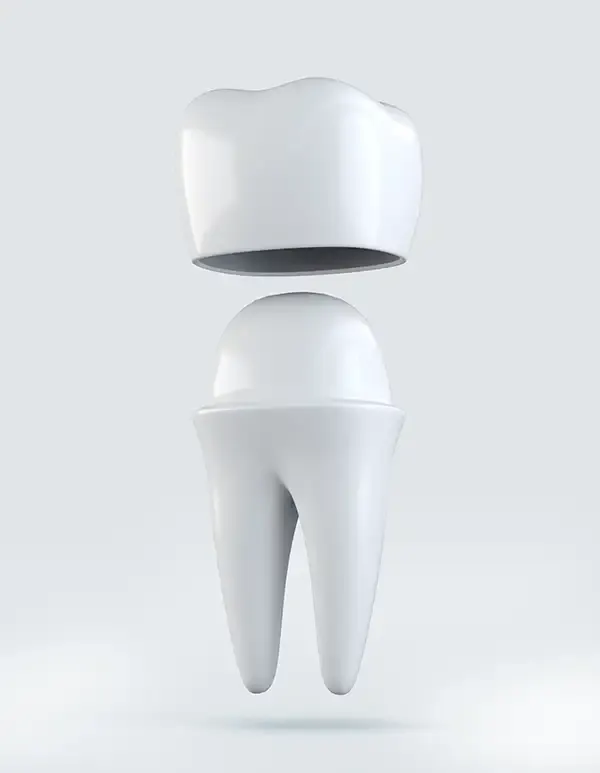
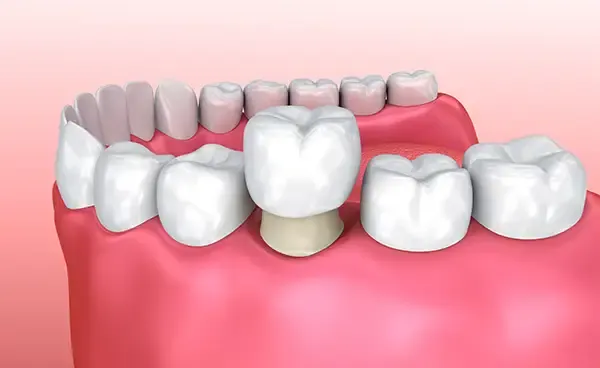
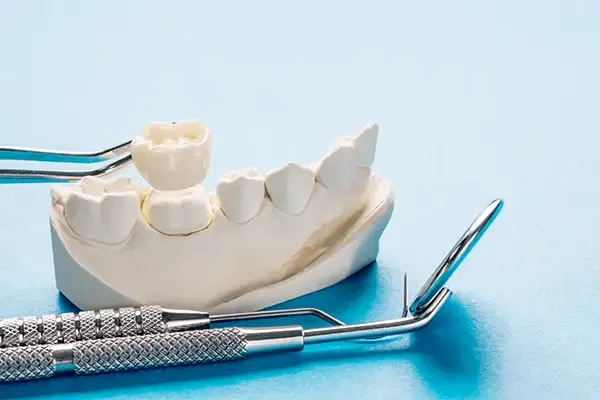
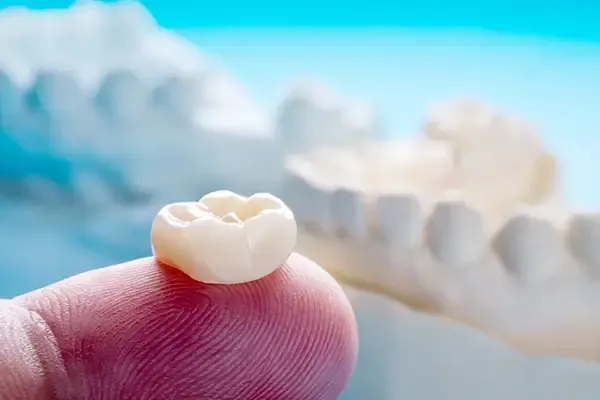
Dental crowns—often called “caps”—are protective coverings placed over a tooth to restore its shape, size, strength, and appearance. They completely encase the visible portion of the tooth above the gum line and act as a barrier against further decay or damage.
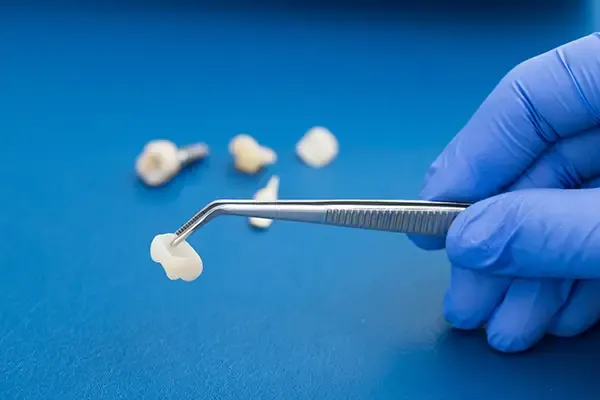
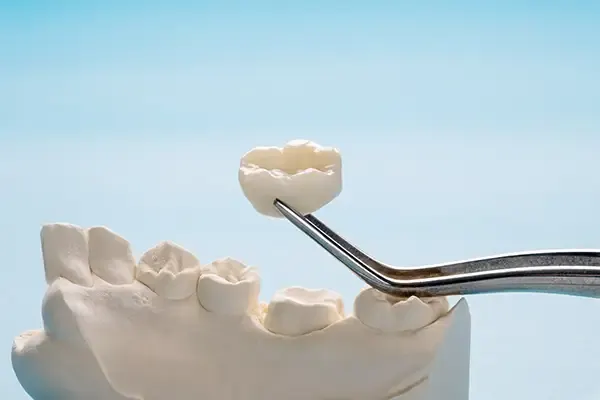
Crowns are custom-fabricated from high-quality materials such as porcelain, zirconia, ceramic, or metal alloys. Modern crowns mimic the light-reflecting properties of natural enamel, providing both durability and lifelike aesthetics for a natural-looking smile.
When Are Dental Crowns Needed?
Our dental crowns in Orillia can be both restorative and cosmetic. You may be a candidate for a crown if you have one or more of the following conditions:
- Severely Decayed Teeth – When decay has compromised most of the tooth’s structure, a crown restores its integrity and function.
- Cracked or Broken Teeth – Crowns protect fractured teeth from further splitting and reinforce their strength.
- Root Canal Therapy – After a root canal, a crown safeguards the treated tooth from breakage.
- Large Fillings – When more than half of a tooth is missing, a crown provides essential reinforcement.
- Worn or Misshapen Teeth – Ideal for restoring tooth proportion, alignment, and symmetry.
- Cosmetic Enhancement – Crowns can transform discolored or misshapen teeth for a brighter, balanced smile.
Our dental team at Georgian Dental will carefully assess your oral health and discuss the best restorative solution for your needs.
Types of Dental Crowns Available at Georgian Dental
Every patient’s needs are unique, which is why we offer several types of dental crowns in Orillia to ensure the best fit for your oral condition and cosmetic goals:
- Porcelain Crowns – Known for their lifelike translucency and color-matching ability, porcelain crowns are ideal for restoring front teeth.
- Zirconia Crowns – Incredibly strong, chip-resistant, and biocompatible, making them suitable for patients with metal sensitivities.
- Porcelain-Fused-to-Metal (PFM) Crowns – Combine metal’s strength with porcelain’s aesthetics, providing a balance of durability and natural appearance.
- All-Metal Crowns – Crafted from gold or metal alloys, these crowns are exceptionally durable and are best for back teeth exposed to high chewing pressure.
Your dentist will guide you through the selection process, explaining the pros and cons of each material to help you make an informed decision.
The Dental Crown Procedure
At Georgian Dental, the dental crown procedure is efficient, precise, and tailored for patient comfort. Most treatments are completed in two visits:
- A thorough consultation, including digital imaging, to evaluate the tooth and surrounding structure.
- Tooth preparation and reshaping under local anesthesia to ensure comfort throughout the process.
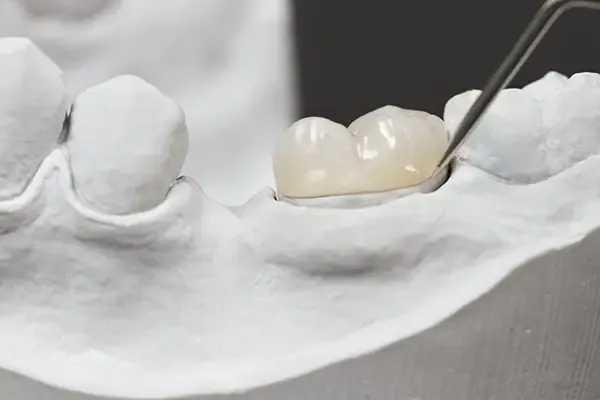
- Accurate impressions or 3D scans are taken to design your custom-fit crown.
- A temporary crown is placed to protect your tooth while the permanent one is crafted.
- The final visit includes placement, adjustment, and bonding of the permanent crown for optimal function and aesthetics.
Our advanced technology ensures that your crown fits comfortably and looks natural, blending flawlessly with your smile.
What to Expect Before, During & After a Crown Procedure
Before treatment, we take detailed scans and review your personalized plan. During the procedure, the tooth is reshaped under local anesthesia for a comfortable experience. After your crown is placed, expect slight sensitivity for a few days. Avoid sticky or hard foods initially and resume normal brushing and flossing after 24 hours.
Benefits of Dental Crowns
Choosing dental crowns in Orillia can dramatically enhance both the function and appearance of your smile. Benefits include:
- Restored Strength – Reinforces weak or damaged teeth, allowing normal chewing and speaking.
- Improved Aesthetics – Seamlessly matches your natural teeth for a harmonious smile.
- Durability – Long-lasting results that can endure years of normal function with proper care.
- Comfortable Fit – Custom design ensures stability and comfort in your bite.
- Protection – Shields vulnerable teeth from further wear, fracture, or infection.
These restorations not only improve your oral function but also boost your confidence with a renewed, natural-looking smile.
Caring for Your Dental Crown
With the right care, your dental crown can last a decade or more. Follow these essential tips to maintain your crown’s longevity:
- Brush and Floss Daily – Maintain gum health and prevent decay where the crown meets the tooth.
- Avoid Hard or Sticky Foods – These can loosen or crack your crown.
- Schedule Regular Dental Checkups – Routine cleanings and exams ensure your crown remains secure and healthy.
- Protect Against Grinding – If you grind your teeth, a night guard can protect your restoration.
A proactive approach to oral care will keep your crowned tooth strong and beautiful for years.
How to Handle a Loose or Damaged Crown
If your crown becomes loose, cracked, or detached, avoid chewing on that side and contact Georgian Dental immediately. Keep the crown safe and avoid self-repair. Most cases can be resolved quickly with re-cementing or replacement.
Understanding Crown Lifespan & Care
- Brush and floss twice daily.
- Wear a night guard if you grind your teeth.
- Visit your dentist every six months.
- Avoid chewing hard objects like ice or pens.
With consistent care, your dental crown can serve you beautifully for decades.
Why Choose Georgian Dental for Dental Crowns in Orillia?
At Georgian Dental, we deliver exceptional craftsmanship, precision, and comfort in every dental crown we place. Our patients trust us for:
- Advanced Technology – State-of-the-art digital imaging ensures perfect fit and aesthetics.
- Comprehensive Care – All services are performed under one roof for convenience and consistency.
- Experienced Team – Our dentists have years of expertise in restorative and cosmetic treatments.
- Comfort-Focused Environment – We prioritize your relaxation through gentle techniques and patient-focused care.
- Proven Results – Our crowns are known for long-lasting strength, beauty, and reliability.
We’re committed to restoring your confidence, comfort, and oral function with the best in modern dentistry.
Materials & Appearance – FAQ
The best crown material depends on your tooth’s location, function, and your cosmetic goals. Porcelain crowns provide the most natural appearance, making them ideal for front teeth. Zirconia crowns offer superior durability and are metal-free, perfect for strength and aesthetics. Porcelain-fused-to-metal crowns balance resilience and beauty, while all-metal options, such as gold or alloy, are highly durable and well-suited for molars that endure heavy chewing.
Absolutely. Modern crowns made from porcelain or zirconia are custom-designed to match the exact color, translucency, and contour of your natural teeth. When crafted by an experienced dentist, crowns blend seamlessly into your smile for a lifelike and natural appearance.
No, crowns cannot be whitened because the materials used do not respond to bleaching agents. If you plan to whiten your natural teeth, it’s best to complete that process before getting your crown, so it can be matched precisely to your desired shade.
High-quality porcelain and zirconia crowns are highly resistant to staining and maintain their brightness for years. However, good oral hygiene and avoiding frequent exposure to coffee, tea, red wine, or tobacco can help preserve the natural luster of your crown even longer.
Yes. Crowns can be shaped to close small gaps or spaces between teeth, improving your smile’s symmetry and alignment. They can also enhance the overall aesthetics of your teeth by correcting minor imperfections in shape and size.
Procedure & Comfort – FAQ
No, getting a dental crown is generally very comfortable. Local anesthesia completely numbs the area, allowing your dentist to prepare the tooth without pain—only light pressure is felt. Some mild tenderness or temperature sensitivity may occur afterward, but it fades within a few days as your tooth adjusts.
In most cases, sedation is not required, as the procedure is simple and pain-free under local anesthesia. However, for patients with dental anxiety or heightened sensitivity, mild sedation options such as nitrous oxide or oral medication can make the experience even more relaxed and comfortable.
Not necessarily. A root canal is only required when the tooth’s pulp is infected or severely damaged. Your dentist will assess your tooth’s health and nerve condition before treatment. If the inner tissue is healthy, the tooth can be crowned directly without a root canal procedure.
Yes, mild gum soreness or tenderness for a day or two is perfectly normal after your crown is placed. This happens as your gums adjust to the new shape and margins of the crown. Rinsing with warm salt water and brushing gently will help soothe the area and promote quick healing.
A well-fitted crown should feel natural and align smoothly with your bite. If it feels high, uneven, or causes discomfort when chewing, schedule a quick visit for an adjustment. Minor reshaping can easily correct the fit and restore comfort and proper bite balance.
Durability & Longevity – FAQ
Dental crowns typically last 10 to 15 years, though many can last even longer with proper oral hygiene and care. The lifespan of your crown depends on the material used, your bite pressure, and daily habits. Regular cleanings and checkups help maintain its strength and appearance over time.
Most crowns last between 10 and 15 years before needing replacement, depending on wear, bite pressure, and how well they are maintained. Your dentist will regularly monitor your crown’s condition during checkups and recommend replacement only when necessary for optimal function and aesthetics.
Although rare, porcelain or zirconia crowns can chip or crack under extreme pressure, such as from teeth grinding or biting hard objects. Wearing a custom night guard and avoiding habits like nail-biting can help protect your crown and prolong its life.
While crowns are securely bonded in place, they can occasionally become loose due to worn cement, decay, or trauma. If your crown feels loose or comes off, avoid chewing on that side and contact your dentist immediately. Re-cementing or replacing it promptly helps prevent further damage.
Care & Maintenance – FAQ
Caring for your crown is just like caring for your natural teeth. Brush twice a day with fluoride toothpaste, floss carefully around the edges, and avoid chewing on hard objects like ice or pens. If you grind your teeth at night, wearing a protective night guard will help preserve both your crown and surrounding teeth.
Yes, you can and should floss around your crown daily. Slide the floss gently from side to side instead of snapping it upward to prevent damaging the crown’s seal. This keeps your gums healthy and reduces the risk of decay forming along the margins.
Once the anesthesia wears off completely, you can eat normally. Avoid sticky or hard foods for the first 24 hours while the cement fully sets. After that, your crown will function just like a natural tooth, allowing you to chew comfortably and confidently.
Properly fitted crowns do not cause odor or bad breath. However, plaque buildup around the crown margins can lead to unpleasant smells. Maintaining good brushing and flossing habits, along with regular professional cleanings, keeps both your crown and breath fresh.
Insurance & Costs – FAQ
If you would like to learn more about Dental Crowns, please contact our practice to schedule an appointment.