
If you’re missing one or more teeth, a dental bridge can restore your smile’s function, balance, and appearance. At Georgian Dental, we provide custom-made dental bridges in Orillia designed to fill gaps naturally and comfortably. Each bridge is carefully crafted to match your existing teeth, ensuring a seamless, long-lasting restoration that restores confidence and comfort when you smile, speak, or eat.
What Are Dental Bridges?
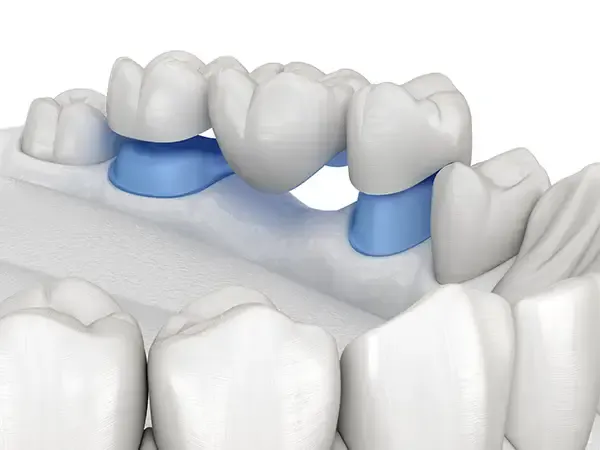
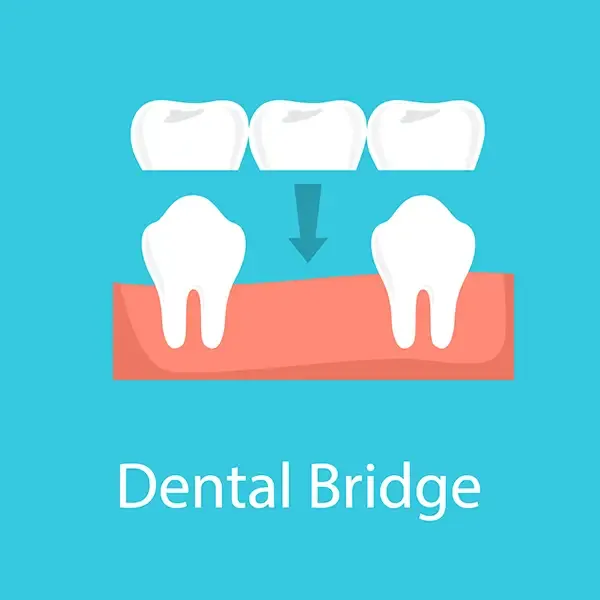
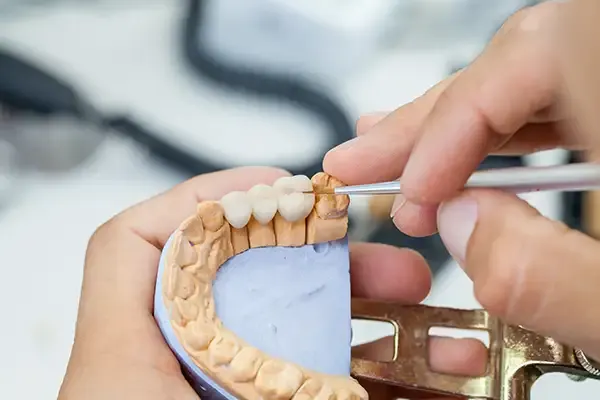
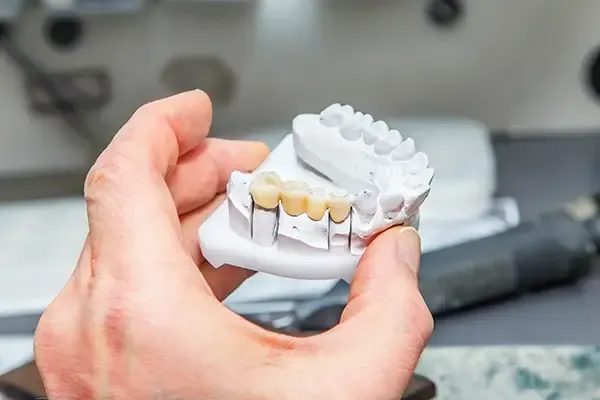
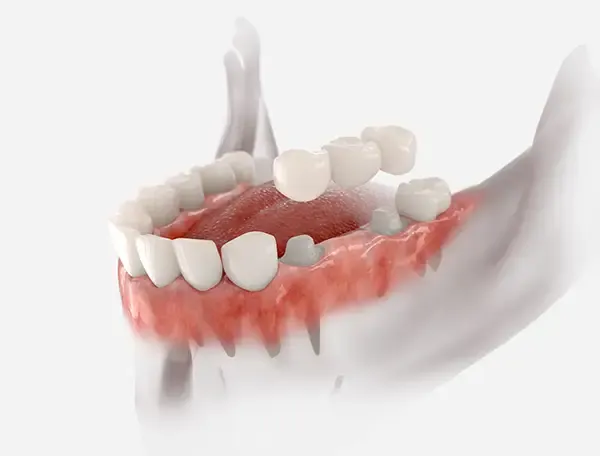
Dental bridges are fixed restorations that replace one or more missing teeth by “bridging” the gap between remaining natural teeth or dental implants. A typical bridge consists of:
- Abutment Teeth – The supporting teeth or implants that hold the bridge in place.
- Pontic – The artificial tooth or teeth that fill the missing space.
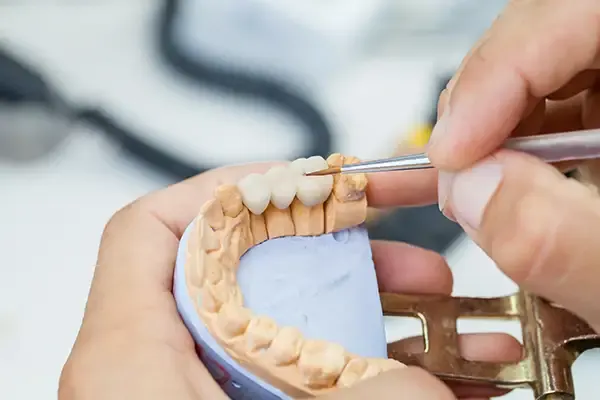
- Framework – The structure connecting the pontic to the abutments, made from durable materials such as porcelain, zirconia, or metal alloys.
Bridges are permanently bonded and non-removable, making them a stable and natural-looking replacement option that restores both function and aesthetics.
When Are Dental Bridges Recommended?
You may be a good candidate for a dental bridge in Orillia if you have one or more missing teeth and want a permanent solution that doesn’t require surgery. Bridges are ideal for treating:
- Single or Multiple Missing Teeth – Bridges restore your bite and fill gaps effectively.
- Shifting Teeth – Prevents adjacent teeth from drifting out of alignment.
- Chewing and Speech Difficulties – Replaces lost teeth to restore normal function.
- Changes in Facial Shape – Maintains your facial structure and bite stability.
Your dentist will assess your oral health and help determine whether a bridge or another restorative option best fits your needs.
Types of Dental Bridges Available in Orillia
At Georgian Dental, we offer several types of dental bridges, each tailored to suit your smile’s specific requirements:
- Traditional Bridge – Supported by crowns on both sides of the gap, ideal for strong surrounding teeth.
- Cantilever Bridge – Anchored by a single supporting tooth when only one side is available.
- Maryland Bridge – A conservative option that uses a bonded framework behind adjacent teeth.
- Implant-Supported Bridge – Secured to dental implants for maximum strength and long-term stability.
Each bridge is custom-designed for a perfect fit, natural appearance, and lasting comfort.
The Dental Bridge Procedure
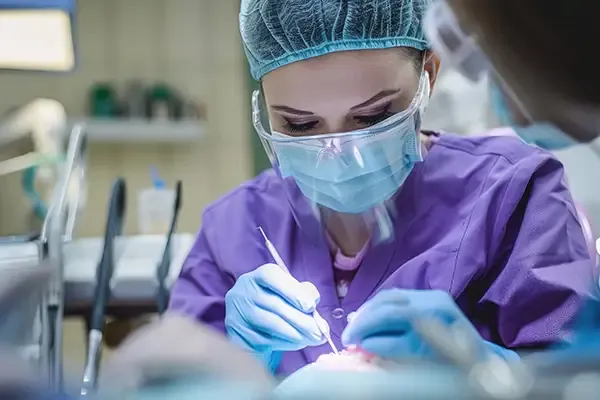
The process for receiving a dental bridge typically involves two visits and includes:
- A detailed consultation, exam, and imaging to plan your treatment.
- Preparation of the abutment teeth and impressions or digital scans.
- Placement of a temporary bridge for comfort and protection.
- Final fitting, adjustment, and bonding of your permanent bridge.
Our digital technology ensures exceptional accuracy, aesthetics, and a seamless bite alignment.
What to Expect After Getting a Dental Bridge
After placement, mild sensitivity or tightness is normal for a few days as your mouth adjusts. You can usually eat soft foods within 24 hours and return to a normal diet after your dentist confirms stability. Avoid hard or sticky foods for the first week to protect your new bridge and allow proper bonding.


Bridge Aftercare Checklist
To keep your bridge strong and clean, follow this simple routine:
- Daily – Brush with fluoride toothpaste and use a floss threader or water flosser beneath the bridge.
- Weekly – Check for buildup and rinse with antibacterial mouthwash.
- Every 6 Months – Schedule a professional cleaning and dental bridge inspection.
Consistent care helps preserve your bridge’s appearance and the health of surrounding teeth.
What If I’m Not a Candidate for a Bridge?
If your surrounding teeth are weak, decayed, or missing, your dentist may recommend alternatives such as:
- Dental Implants – A permanent, independent tooth replacement solution.
- Partial Dentures – A removable and cost-effective option for multiple missing teeth.
- Combination Restorations – Using both implants and bridges for enhanced stability and coverage.
Your dentist will always choose the option that offers the best function, comfort, and preservation of your oral health.

Contingency Plan — If Things Go Wrong
If your bridge feels loose, cracked, or painful, contact our office immediately. Avoid chewing on that side and never attempt to reattach the bridge yourself. Most problems can be corrected quickly with minor adjustments or re-cementation. In emergencies, same-day repair appointments may be available.
Risk-Reversal & Confidence Guarantee
Your satisfaction is our priority. If your bridge feels uncomfortable or doesn’t align perfectly, we will adjust it until it fits naturally. Our advanced digital technology and premium materials ensure long-term strength, comfort, and a lifelike appearance.
Exit & Portability
If you relocate or change dental providers, your bridge’s design and digital records can be securely transferred. This allows your new dentist to maintain your care seamlessly and preserve your restoration’s integrity for years to come.
Why Choose Georgian Dental for Dental Bridges in Orillia?
Patients in Orillia trust Georgian Dental for expert craftsmanship, precision, and care in restorative dentistry. We’re proud to offer:
- Advanced 3D Imaging – Ensures perfect fit and alignment.
- Comprehensive Care – Full restorative services under one roof.
- Experienced Dental Team – Experts in crown and bridge design for natural results.
- Comfort-Focused Approach – Gentle, patient-centered dental care.
- Trusted Local Expertise – Serving Orillia and nearby communities with excellence in restorative dentistry.
We’re committed to restoring your smile’s strength, comfort, and beauty with personalized care and modern precision.
Treatment Overview & Comparison – FAQ
Both bridges and implants are reliable tooth replacement options, each with unique benefits. Bridges are often ideal when adjacent teeth already need crowns or when bone loss makes implants less suitable. Implants, however, act as independent replacements that preserve jawbone density and don’t rely on neighboring teeth. Your dentist can guide you toward the best solution for your needs.
Yes. Many patients transition from removable partial dentures to fixed bridges for a more stable, comfortable, and natural-feeling solution. Once your supporting teeth are evaluated and deemed healthy enough, a bridge can provide a permanent replacement with improved function and aesthetics.
No. Since the abutment teeth must be reshaped and crowned to anchor the bridge, the process is irreversible. However, bridges are durable, long-lasting restorations that can be replaced or upgraded in the future as your dental needs evolve.
Procedure & Comfort – FAQ
The procedure for getting a dental bridge is generally comfortable and pain-free. Local anesthesia is used to numb the area, ensuring you don’t feel discomfort during tooth preparation or placement. Some mild soreness or temperature sensitivity may follow, but it typically fades within a few days.
Most patients can return to work the same or next day after bridge placement. You may experience minor gum or tooth sensitivity initially, but this usually fades quickly, allowing you to resume your normal activities without interruption.
If decay develops beneath a bridge, your dentist will treat it promptly to prevent infection or further structural damage. Depending on the extent of the decay, the bridge may be temporarily removed, the affected teeth treated, and then replaced or rebuilt for a secure and healthy restoration.
Appearance & Materials – FAQ
Absolutely. Today’s bridges are crafted from advanced materials like porcelain or zirconia that closely replicate the shade, shape, and translucency of natural enamel. Each bridge is custom-designed to match your surrounding teeth, creating a seamless, natural-looking smile that blends perfectly with your features.
Yes. Patients with metal sensitivities can safely choose metal-free bridges made entirely of porcelain or zirconia. These biocompatible materials are durable, hypoallergenic, and provide a natural-looking finish that blends beautifully with your existing teeth.
No. Dental bridges cannot be whitened because materials like porcelain or ceramic do not react to bleaching agents. If you plan to whiten your natural teeth, it’s best to complete whitening treatment first so that your new bridge can be color-matched to your desired shade for an even result.
Function & Daily Care – FAQ
Yes. Once your bridge is properly fitted and you’ve adjusted to it, you’ll be able to enjoy most foods comfortably. While bridges are strong and durable, avoiding excessively hard or sticky foods will help prevent unnecessary stress and extend their lifespan. Over time, your bridge will feel completely natural when eating and speaking.
Avoid chewing on very hard or sticky foods such as ice, caramel, or toffee, especially during the first week as your bridge settles. Once you’re comfortable, you can resume your regular diet, but continue exercising caution with overly tough foods to prevent damage or loosening of your restoration.
Cleaning beneath your bridge is essential for gum health and longevity. Use floss threaders, interdental brushes, or water flossers daily to remove trapped food and plaque from hard-to-reach areas. This helps prevent decay, gum inflammation, and ensures the bridge stays fresh and stable for years.
Durability & Maintenance – FAQ
With proper care, dental bridges can last 10 to 15 years, and often even longer. Their longevity depends on your oral hygiene routine, diet, and regular dental checkups. Consistent brushing, flossing, and professional cleanings are key to protecting both your bridge and the natural teeth that support it.
Yes. If your bridge has become worn, damaged, or no longer fits properly, it can be replaced with a new restoration using the latest dental materials and improved techniques. Modern bridges offer enhanced durability, lifelike appearance, and greater comfort compared to older designs.
Your dental bridge should be examined at least every six months during your regular checkups. These visits allow your dentist to monitor the health of the supporting teeth and gums, detect early signs of wear or loosening, and ensure your bridge continues to function perfectly.
If your bridge feels loose, uneven, or causes discomfort when biting or chewing, it may need adjustment or repair. Schedule a dental visit promptly—minor issues can often be fixed quickly, preventing more serious damage and keeping your bridge strong and secure.
If you would like to learn more about Dental Bridges, please contact our practice to schedule an appointment.